The kiranas Hyderabad still runs on
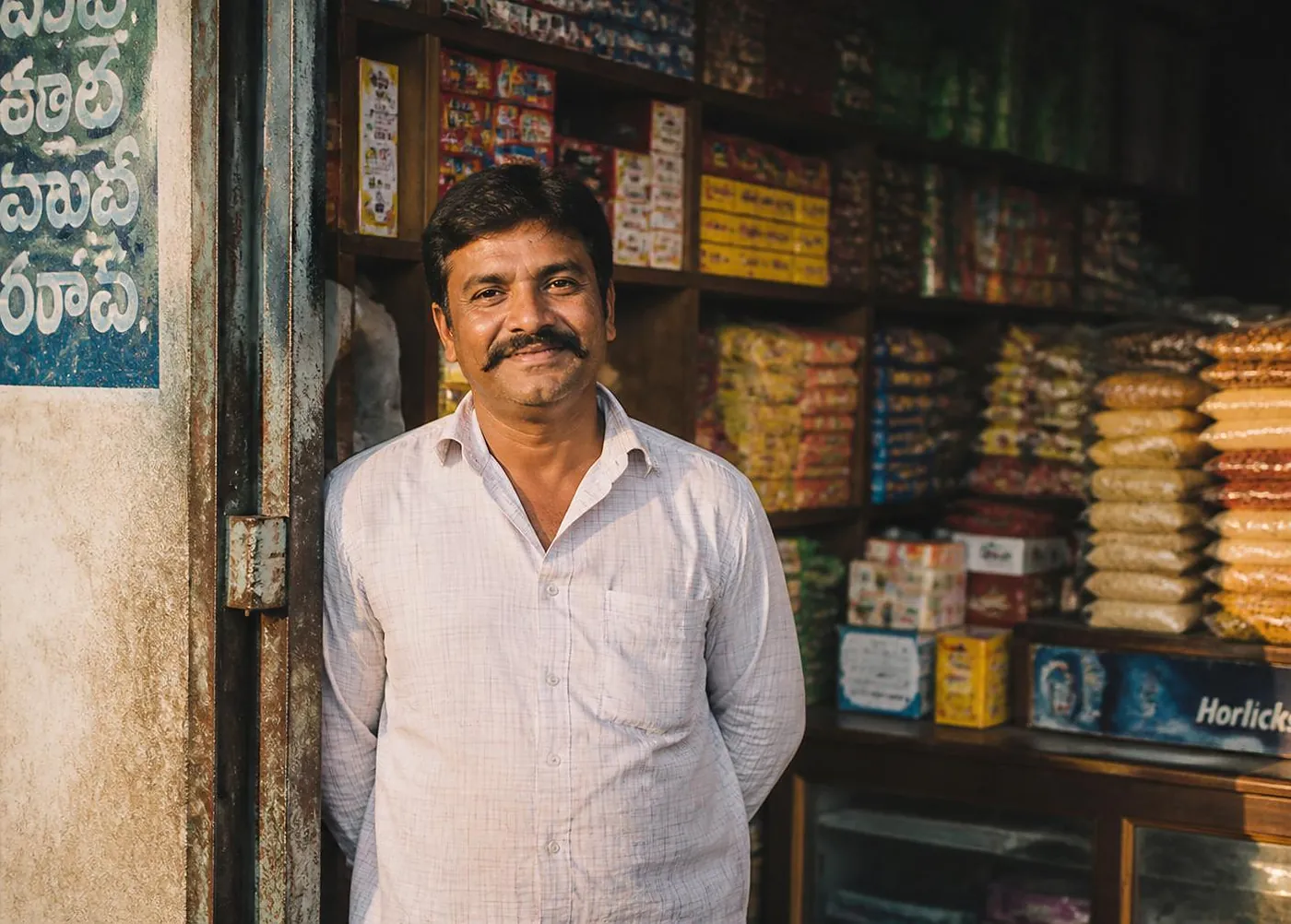
Every neighbourhood in Hyderabad has one. The kirana on the corner of the lane — in Kukatpally, Malakpet, Tolichowki, Moosapet — that is open before you wake and still lit after you have gone to sleep. You know the owner by face, probably by name. He knows which brand of atta your house buys and reaches for it before you finish asking.
Quick-commerce arrived promising to make that shop obsolete. It hasn't. The kirana is still where most of the city actually buys its daily needs — and the reasons are worth understanding, because they are the same reasons it will still be there next year.
More than a shop
A kirana is a small institution. There is the khata — the running credit book that lets a regular pay at the end of the month, no app, no interest, just trust built over years. There is the kid sent down to fetch a packet of milk, and the shop that stays open for the 11 p.m. emergency when a guest arrives unannounced. None of that is on a price tag, and none of it shows up in a delivery-time metric.
Built for the street, not the warehouse
A dark store stocks a city-wide average: the fastest-moving SKUs across a whole metro. A kirana stocks its own gully's tastes — the exact pickle one building prefers, the local sev, the particular agarbatti and the festival items that matter on that street. Decades of knowing its customers have tuned the shelf better than any demand forecast can.
The kirana isn't a relic waiting to be replaced. It is the infrastructure the city already runs on.
The delivery network that always existed
Home delivery was never new to the kirana. There was always the cycle, the phone call, the “bhaiya, bhej do” and a boy at your door ten minutes later. These shops were delivering groceries to Hyderabad homes long before anyone turned it into a feature. What has changed is not whether they deliver — it is how the order reaches them.
Ordering without walking in
The shift is small from the shopper's side and large from the shop's: instead of calling out or sending someone, you tap. The same shop on your street, the same shopkeeper who knows your house — now a few taps away, with the order delivered to your door. That is the whole idea behind Hood: not a new shop, but the one already on your corner, online.
If you run one of these shops, putting it online doesn't mean changing how you work — you keep your own prices and your own customers. Selling on Hood is a flat subscription with 0% commission on your orders, so the money stays where it has always stayed: with the shop.
The point
Hyderabad doesn't need to be taught to buy from its neighbourhood shops — it never stopped. The only thing worth building is a simpler way to reach the shop that is already there, open, and waiting at the corner of your lane.